

Leadership in 2026 demands more than just authority and decision-making skills—it requires vision, empathy, and the ability to inspire others toward a shared purpose that transcends individual ambitions. The most transformative leaders understand that their words carry weight, shaping cultures, motivating teams, and creating ripples of positive change that extend far beyond their immediate sphere of influence.
Whether you’re a seasoned executive, an emerging manager, an entrepreneur building your dream, or simply someone who aspires to lead with integrity in your personal life, the right words at the right moment can crystallize your vision and energize those around you. Leadership quotes serve as compass points during challenging times, reminding us of timeless principles while adapting to the unique demands of our rapidly evolving world.
As we navigate the complexities of 2026 together, these carefully curated leadership insights will empower you to lead with courage, communicate with clarity, and inspire with authenticity. Prepare to discover wisdom that will transform not just how you lead, but who you become in the process.
Visionary Leadership Quotes for 2026
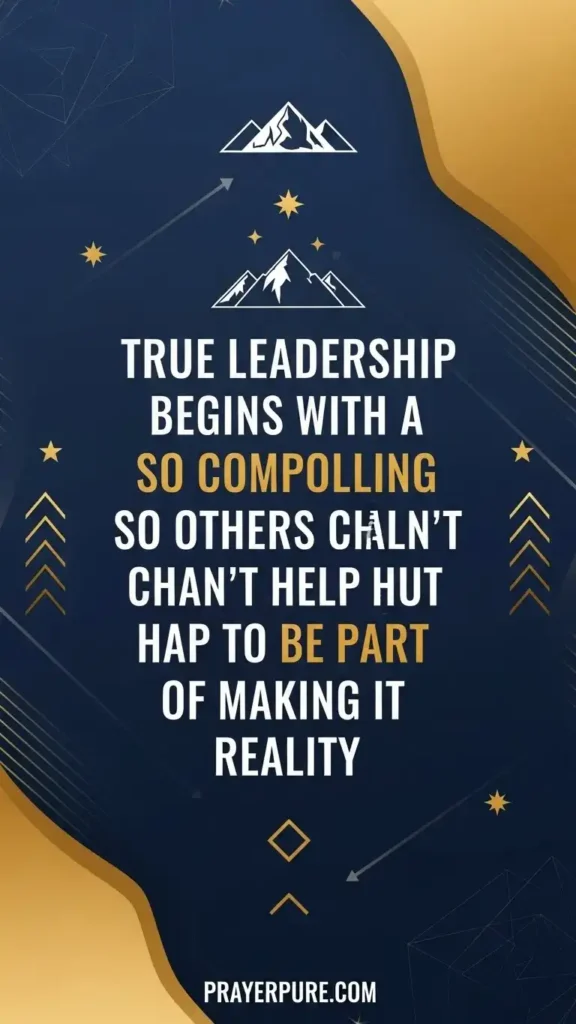
True leadership begins with a vision so compelling that others can’t help but want to be part of making it reality.
The leaders who shape 2026 are those who see possibilities where others see obstacles and opportunities where others see threats.
Vision without execution is hallucination, but execution without vision is just exhausting motion without meaningful progress.
Great leaders don’t create followers; they create more leaders who carry the torch of transformation forward with passion.
In 2026, leadership means painting a picture of the future so vivid that your team can see themselves thriving within it.
The most powerful vision is one that serves something greater than yourself while honoring the dignity of every person involved.
Leaders who inspire change don’t just talk about where they’re going—they make others excited about the journey itself.
Your vision should be bold enough to challenge the status quo yet grounded enough to feel achievable with collective effort.
The difference between a manager and a leader is that managers push toward goals while leaders pull people toward possibilities.
In times of uncertainty, a clear vision acts as the North Star that keeps everyone moving in the same direction with confidence.
Authentic Leadership Wisdom
Authenticity is the currency of trust, and without trust, leadership becomes nothing more than empty titles and hollow commands.
Lead with your values visible, your intentions transparent, and your humanity fully present in every interaction and decision.
The strongest leaders are those who have the courage to be vulnerable, admitting mistakes while maintaining unwavering commitment to growth.
Your team doesn’t need you to be perfect; they need you to be real, present, and genuinely invested in their success.
Authentic leadership means saying no to opportunities that don’t align with your core values, even when they promise quick wins.
People follow authenticity because it creates psychological safety where innovation, creativity, and honest feedback can flourish freely.
In 2026, the leaders who win hearts are those who lead from the heart, balancing strength with compassion consistently.
You can’t inspire genuine commitment in others if you’re wearing a mask and hiding who you truly are beneath corporate personas.
Authentic leaders understand that their greatest strength lies in acknowledging their limitations and surrounding themselves with diverse talents.
Leadership authenticity means your private values and public actions are so aligned that there’s no dissonance between them.
Empowering and Servant Leadership
The greatest measure of leadership success is not how many people serve you, but how many people you’ve empowered to lead.
Servant leadership recognizes that true power comes from lifting others up rather than holding them down beneath your authority.
When you lead to serve rather than to be served, you unlock potential in others that they didn’t even know existed.
The legacy of a great leader is visible in the success stories of the people they mentored, coached, and believed in unconditionally.
Empowerment means giving people not just responsibility but the authority, resources, and trust necessary to deliver exceptional results.
Leaders who serve their teams create loyalty that can’t be bought with compensation packages or corner offices alone.
In 2026, the most effective leaders recognize that their job is to remove obstacles, not to be the obstacle their teams must navigate.
True empowerment requires letting go of control, trusting the process, and celebrating when your team succeeds without your direct involvement.
Servant leadership asks daily: How can I make my team’s work easier, more meaningful, and more impactful today?
The leader who empowers others multiplies their impact exponentially, creating ripples of positive change throughout the entire organization.
Resilient Leadership in Challenging Times
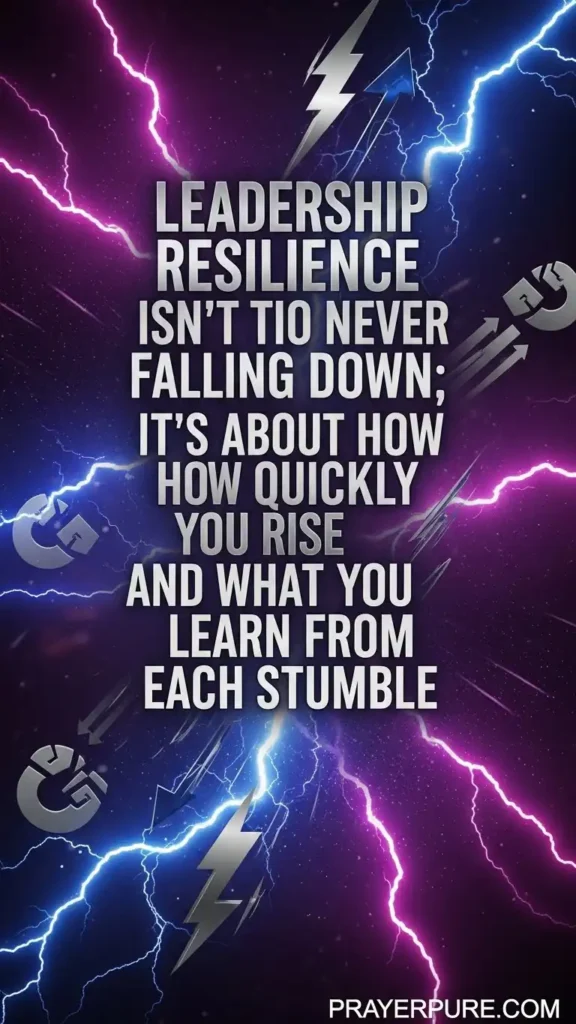
Leadership resilience isn’t about never falling down; it’s about how quickly you rise and what you learn from each stumble.
In 2026’s uncertain landscape, the leaders who thrive are those who view adversity as the curriculum for their greatest education.
Resilient leaders understand that setbacks are setups for comebacks and that every crisis contains the seeds of opportunity.
Your team looks to you during storms not for false promises of calm, but for steady presence amid the chaos.
The strongest leaders are forged in the fires of difficulty, emerging with wisdom, empathy, and unshakeable determination.
Resilience in leadership means maintaining your core values while remaining flexible in your strategies and approaches to challenges.
When everything is falling apart, your composure and conviction become the glue that holds your team together through uncertainty.
Leaders who navigate crisis successfully do so by acknowledging reality, maintaining hope, and taking decisive action despite incomplete information.
The resilience you model during difficult times teaches your team more about leadership than any success story ever could.
In moments of greatest pressure, resilient leaders ask not “Why is this happening to me?” but “What is this teaching me?”
Innovative and Adaptive Leadership
Innovation in leadership means creating environments where experimentation is encouraged and intelligent failure is viewed as progress toward excellence.
The leaders shaping 2026 are those who embrace change as a constant companion rather than treating it as an occasional disruption.
Adaptive leadership requires the humility to admit when old strategies no longer work and the courage to chart new territories.
Great leaders don’t just respond to change; they anticipate it, prepare for it, and sometimes courageously create it themselves.
Innovation flourishes under leaders who ask “What if?” more often than they say “That’s how we’ve always done it.”
The most dangerous phrase in leadership is “If it ain’t broke, don’t fix it,” because by the time something breaks, you’re already behind.
Adaptive leaders understand that today’s best practices will be tomorrow’s limitations if we stop questioning and evolving continuously.
In rapidly changing times, your willingness to unlearn and relearn determines whether you lead the future or become irrelevant to it.
Leadership innovation isn’t just about new products or technologies; it’s about fresh approaches to inspiring, organizing, and developing people.
The leaders who thrive in 2026 are those who build cultures where everyone feels empowered to suggest better ways forward.
Collaborative and Team-Focused Leadership
Collaboration is the leadership superpower of 2026, where complex challenges require diverse perspectives working in harmonious synergy.
The lone genius leader is a myth; real breakthrough happens when you create conditions for collective intelligence to emerge.
Great leaders understand that the team is always smarter than the smartest person in the team when properly facilitated.
Your job as a leader isn’t to have all the answers but to ask the questions that help your team discover answers together.
Collaboration requires creating psychological safety where every voice is valued and diverse opinions strengthen rather than threaten unity.
The best decisions emerge from constructive conflict where ideas battle but people respect each other throughout the process completely.
Team-focused leadership means celebrating collective wins more enthusiastically than individual achievements, fostering interdependence and shared ownership.
When you lead collaboratively, you transform “my vision” into “our mission” and individual contributors into invested stakeholders.
The strength of your leadership is reflected in how well your team functions when you’re not in the room directing them.
Collaborative leaders know that inclusion isn’t just morally right; it’s strategically smart because diverse teams outperform homogeneous ones consistently.
Communication Excellence in Leadership
Leadership is not about having all the right answers but about asking the right questions and truly listening to the responses.
The most influential leaders in 2026 are exceptional communicators who can translate complex visions into simple, compelling narratives everyone understands.
Your words have power to build or destroy, inspire or demoralize, unite or divide—choose them with intentional care always.
Effective leadership communication means saying what you mean, meaning what you say, and following through with aligned actions consistently.
Great leaders communicate context, not just content, helping their teams understand the why behind decisions and strategies clearly.
Listening is the most underrated leadership skill because it demonstrates respect, builds trust, and uncovers insights you’d otherwise miss entirely.
In times of change, over-communication is impossible because people need repeated reassurance that you’re steering the ship with purpose.
The clarity of your communication directly impacts the quality of execution, so ambiguity in leadership messaging is organizational poison.
Leaders who master storytelling create emotional connections that data and logic alone can never achieve, inspiring hearts and minds simultaneously.
Transparent communication builds trust, while secrecy breeds suspicion, so share what you can, explain what you can’t, and always be honest.
Courage and Decisive Leadership
Leadership courage isn’t the absence of fear but taking right action despite the fear, uncertainty, and potential consequences you face.
The decisions that define great leaders are often the ones made when the path forward is unclear and the stakes couldn’t be higher.
In 2026, decisive leadership means gathering enough information to be informed but not waiting for perfect certainty that will never come.
Courageous leaders stand firm on principles even when it’s unpopular, knowing that integrity is not negotiable regardless of circumstances.
Sometimes the most courageous leadership act is admitting you were wrong and changing course despite the ego blow involved.
Your team needs you to make the tough calls that everyone else is afraid to make, providing clarity when ambiguity paralyzes progress.
Courage in leadership also means having difficult conversations promptly rather than avoiding conflict until small issues become organizational crises.
The courage to be different, to challenge conventional wisdom, and to take calculated risks separates legendary leaders from forgotten managers.
Decisive action in the face of incomplete information is what separates leaders who shape events from those who merely react to them.
Leadership courage requires balancing conviction with flexibility, knowing when to stand firm and when to pivot with changing circumstances wisely.
Continuous Growth and Learning Leadership
The moment a leader believes they’ve arrived is the moment their influence begins to decline and their relevance starts fading away.
In 2026, the most effective leaders are perpetual students who read voraciously, seek feedback hungrily, and embrace growth relentlessly.
Your commitment to personal development sets the cultural standard for continuous improvement throughout your entire organization and beyond.
Great leaders surround themselves with people smarter than themselves in specific areas, learning from everyone they encounter along their journey.
The willingness to admit what you don’t know demonstrates strength, not weakness, and creates permission for others to grow openly too.
Every experience, success or failure, contains lessons that compound over time if you’re intentional about extracting and applying them consistently.
Leadership development isn’t a destination you reach but an ongoing journey that requires humility, curiosity, and disciplined investment of time.
The leaders who remain relevant are those who adapt their skills, update their knowledge, and evolve their thinking as the world transforms.
Learning leadership means creating feedback loops where you constantly gather input, reflect deeply, and adjust your approach with intentional purpose.
Your growth edge as a leader is found just beyond your comfort zone, in the spaces where you feel stretched, challenged, and sometimes uncomfortable.
Purpose-Driven and Values-Based Leadership
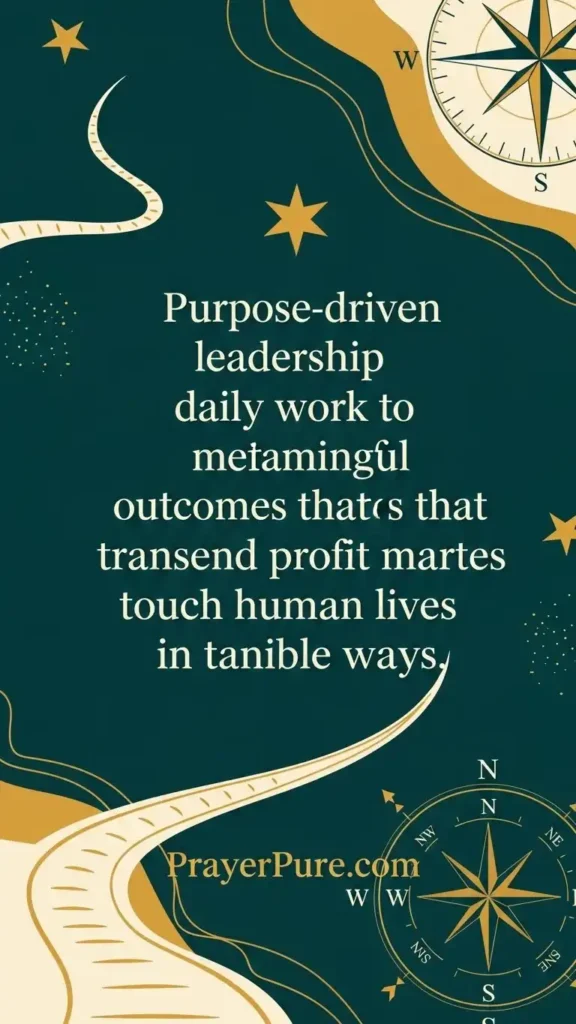
Purpose-driven leadership connects daily work to meaningful outcomes that transcend profit margins and touch human lives in tangible ways.
When your values are crystal clear and consistently demonstrated, decision-making becomes simpler because your compass always points true north.
The leaders who inspire deepest commitment are those who lead for something greater than personal gain or organizational dominance alone.
In 2026, people want to work for leaders whose values align with their own and whose purpose resonates with their deepest aspirations.
Values-based leadership means making the harder right choice over the easier wrong choice, even when nobody’s watching or applauding you.
Your purpose as a leader should be compelling enough that it pulls you forward during difficult days when motivation naturally wanes thin.
The most sustainable success comes from building organizations where values aren’t just posted on walls but lived in every decision and interaction.
Purpose gives work meaning, meaning generates engagement, and engagement drives performance in ways that external motivators never can sustainably.
Lead with values so strong that they guide behavior when you’re not present, creating consistency and building trust throughout your organization.
The legacy you leave as a leader will be measured not by what you accomplished but by how you accomplished it and who you became in the process.
Conclusion
The profound impact of exceptional leadership extends far beyond quarterly results, corner offices, or impressive titles displayed on business cards—it ripples through the lives of every person touched by a leader’s vision, values, and daily actions. These ninety leadership quotes for 2026 represent distilled wisdom from the collective experience of those who have led through triumph and tragedy, clarity and confusion, certainty and unprecedented change. They remind us that leadership is fundamentally about people: seeing their potential before they see it themselves, creating conditions where they can flourish, and inspiring them to reach for goals they previously thought impossible.
The measure of truly great leadership becomes visible not in the leader’s individual accomplishments but in the transformed lives, strengthened organizations, and positive cultural shifts that continue long after the leader has moved on. As we navigate the complexities of 2026 with its technological disruptions, global challenges, and evolving workplace dynamics, these timeless leadership principles adapted for contemporary context serve as anchors that keep us grounded while propelling us forward with purpose and conviction.
Practically speaking, these leadership quotes can transform your daily practice in countless powerful ways that compound over time to create exceptional results. Incorporate them into your morning routine as reflective prompts that set your leadership intention for the day ahead, grounding you in principles before challenges arise. Share relevant quotes during team meetings to spark meaningful conversations about values, vision, and the kind of culture you’re collectively building together.

Olivia Lane is a devoted Christian writer and faith blogger at PrayerPure.com, where she shares heartfelt prayers, Bible verses, and spiritual reflections to inspire believers around the world. Her gentle words help readers find peace, purpose, and strength in God’s presence every day. When she’s not writing, Olivia enjoys reading devotionals, spending time outdoors, and connecting with her church community.